|
'Florida's First Hotel'
Circa 1798
20 Aviles Street,
St. Augustine, FL 32084
[mail to: 28 Cadiz Street]
Phone: 904-829-3575
Fax: 904-829-3445
E-mail:
info@ximenezfatiohouse.org
Open:
Tuesday - Saturday, 11 a.m. - 4 p.m.
Adult$5.00
Sr.$3.00 Student 6-17 $4.00
Last tour is at 3:30 p.m.
TOUR GROUPS ALWAYS WELCOME !
|
Exclusively Ours!
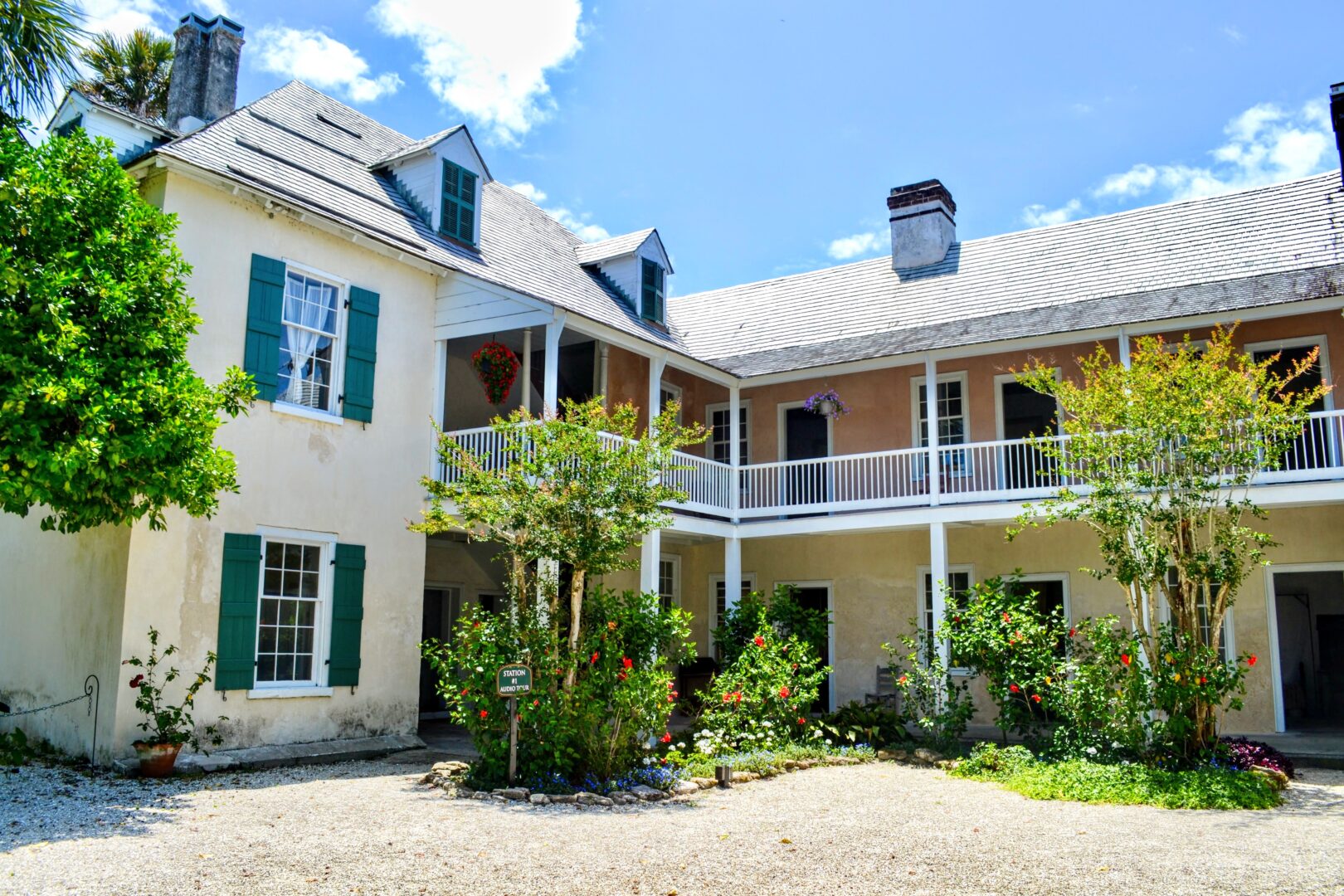
A beautiful Giclee of the Ximenez-Fatio House courtyard, showing a
portion of the lovely grounds as seen in the Spring. This painting is by nationally renown artist,
Allison Watson and is now available for sale . |
 |
" Garden View " |
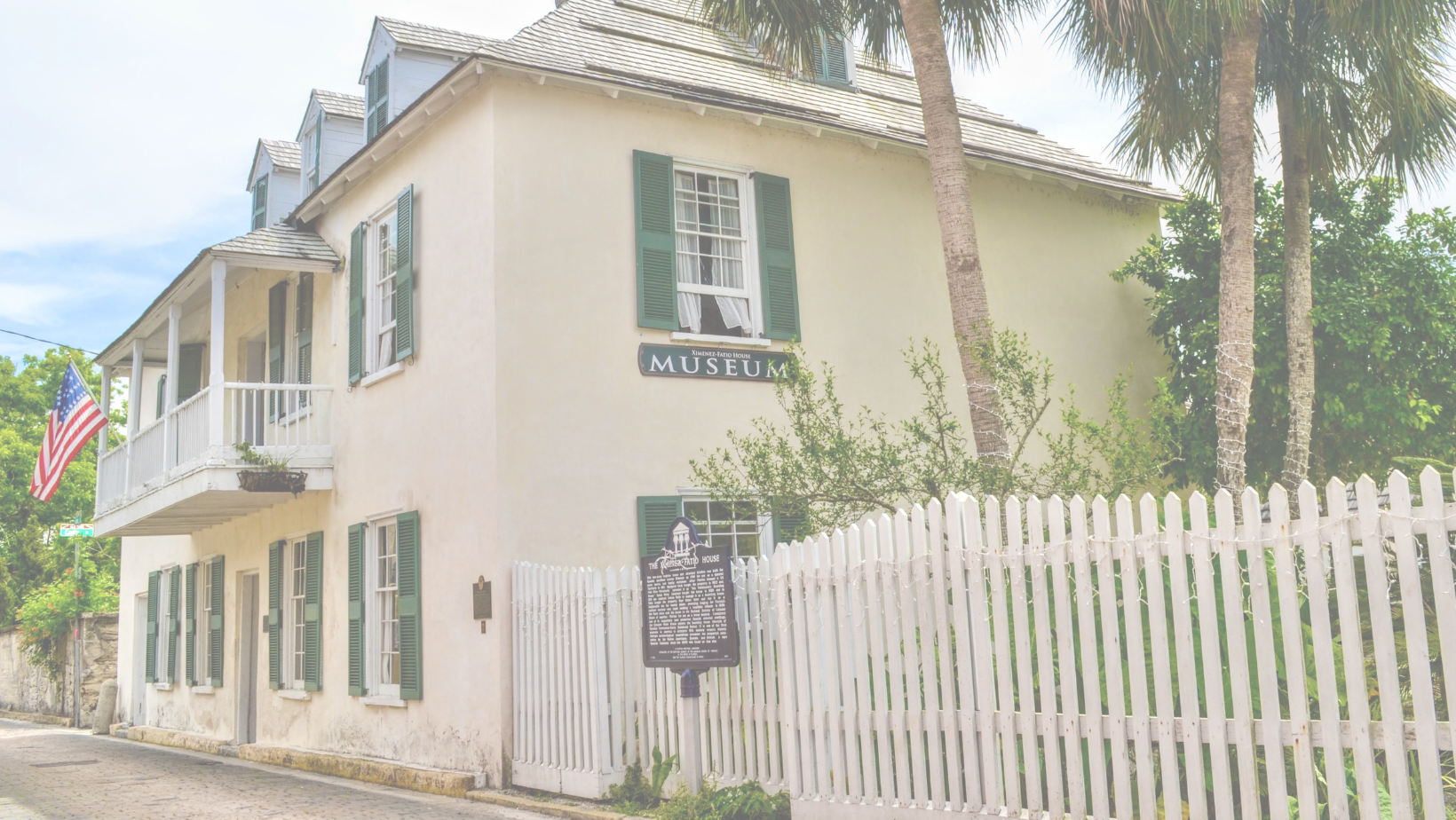
Welcome to the Ximenez-Fatio House Museum, one of St. Augustine's
most authentic historic properties. The museum complex is
located on Aviles Street, America's first platted thoroughfare, in
the center of the city's oldest community, the Old Town area South
of the Plaza. The property includes a ca. 1798 coquina stone House,
the region's only detached Kitchen building, a reconstructed ca.
1802 Wash House and a new Visitor Center with state-of-the-art
interactive exhibits and a Museum Store.
In 1939, The National
Society of The Colonial Dames of America in The State of Florida
(NSCDA-FL) acquired the property for use as its state museum house.
The NSCDA-FL joined with the National Park Service, State of
Florida, Carnegie Foundation and other groups to initiate St.
Augustine's historic preservation program.
|
| Today
the house stands as one of the best preserved of the three dozen
colonial buildings remaining in St. Augustine. The historic
grounds of the museum date to St. Augustine's original town plan of
1572. Meticulous restoration and
furnishings of period decorative arts and historical objects provide
the setting for authentic portrayals of territorial life and early
statehood in St.
Augustine. The museum focuses on the property's role as a boarding
house, representing one of the few socially acceptable business
ventures for a 19th century woman. |

Caravaca Cross ca.1650
|
In July of 2002,
shortly after beginning the 10th archaeological dig on the
grounds at the Ximenez-Fatio House, an extraordinary small
cross (pictured at left) was retrieved from the
tens-of-thousands of items in a trash pit. Treatment
removed a dark patina of encrusted salts to expose the
resplendent white bronze material and fine details.
Named for a hillside town in southeastern Spain, this Caravaca
Cross is believed to have become popular in the 17th century
to celebrate the end of the plague. St. Augustine City
Archaeologist Carl Halbirt said, "I've never seen a cross like
this one. They have been found in the Southeast, the Caribbean
and in Canada, but not here -- until now." |
|
Found with ceramic
artifacts made about 1650, this relic dates to a time when the
settlement's population was about 500 hearty souls. John T.
Powell, educator and conservator said, "an absolutely
outstanding find. Whoever had this was a person of some means.
This is in the top 10 or 20 percent of rarity. You just don't
find something that intricately made." ...
Order a
replica. |
| |
|
|
|
The Ximenez-Fatio House was used as a site for the filming of
Florida: The 27th Star, an educational video about
Florida's territorial period (1821-1845) produced in honor of
the state's sesquicentennial in 1995 by The National Society
of The Colonial Dames of America in The State of Florida.
|

|
|
|
|
| |
|
|